
Breaking Generational Curses
Trauma and Anime’s Dark Lessons:

PART ONE of a multi part series on Trauma and Anime
Anime is often at its strongest when it shows us characters trying to survive things they never should have had to carry.
Shows like Berserk, Chainsaw Man, Jujutsu Kaisen, Attack on Titan, and others often use depictions of trauma, curses, monsters, and broken family systems to represent something much deeper. They give visual form to trauma, grief, survival, emotional neglect, family wounds, and cycles of pain.
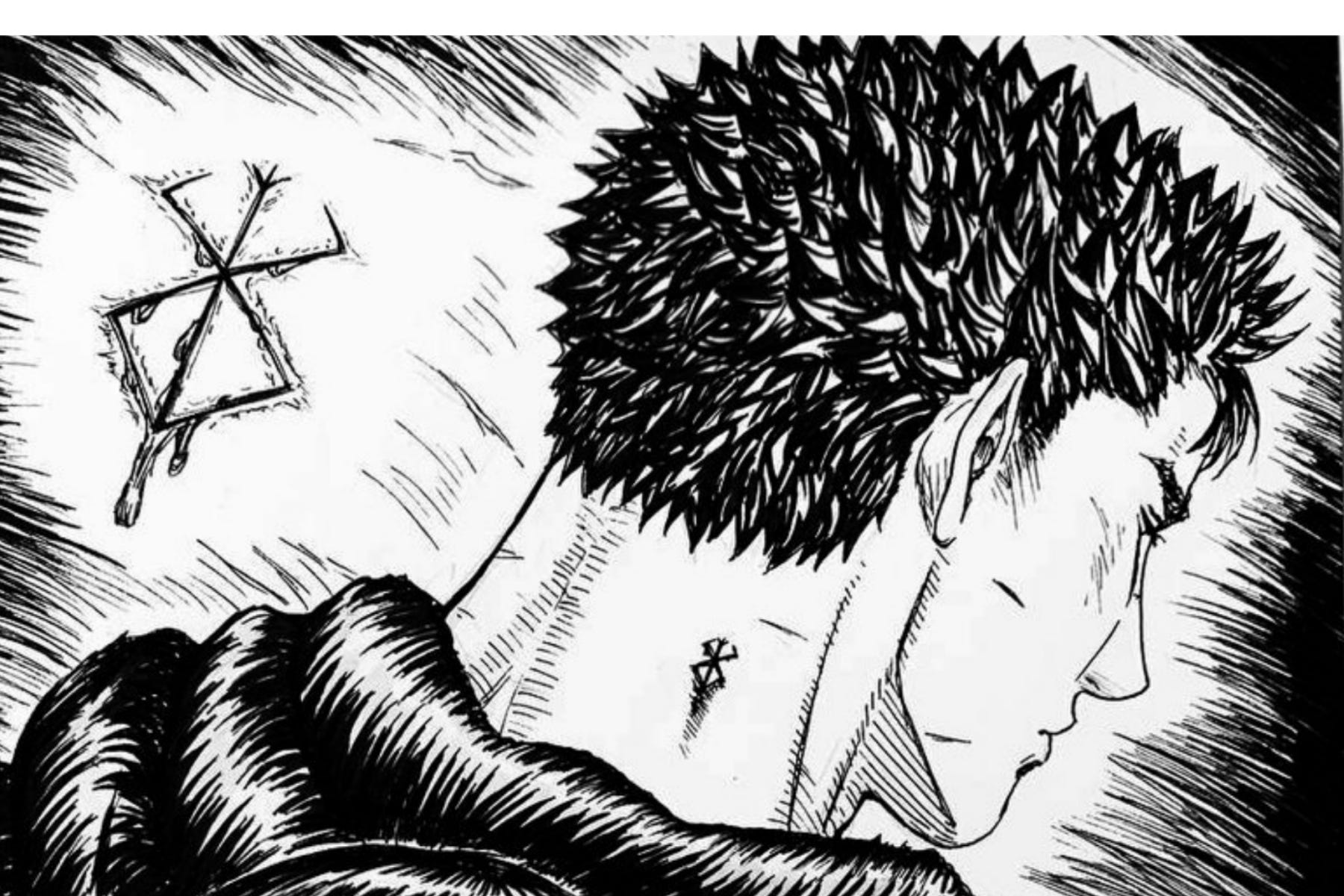
In real life, trauma does not always look dramatic from the outside. Sometimes it looks like anger. Sometimes it looks like numbness. Sometimes it looks like isolation. Sometimes it looks like overworking, people-pleasing, shutting down, or refusing parts of yourself because they remind you of someone who hurt you.
Backstory vs. Trauma Response
Was the above Beserk clip a Backstory or a Trauma Response?
In anime, we often talk about a character’s “backstory.” Backstory helps explain who someone is, where they came from, what they lost, and why they fight the way they fight. But trauma is not just backstory.
Did they choose it, or did it grab them?
Backstory is usually offered. The character tells us what happened. The audience receives it as part of the plot. But a trauma response takes them. It arrives uninvited, often at the worst possible moment, when they cannot afford it.
Is it a story, or a fragment on repeat?
Backstory has a beginning, middle, and end. It explains. A trauma response is often the same shard playing over and over. It does not explain as much as it intrudes.
Are they remembering it, or are they back in it?
Backstory can be narrated from a safe distance. The character is telling you what happened. But a trauma response collapses that distance. The body reacts in the present as if the past is happening again. The character freezes mid-fight. Their hands shake. Their eyes change. Their breathing shifts. They are no longer fully here.
What Are ACEs?
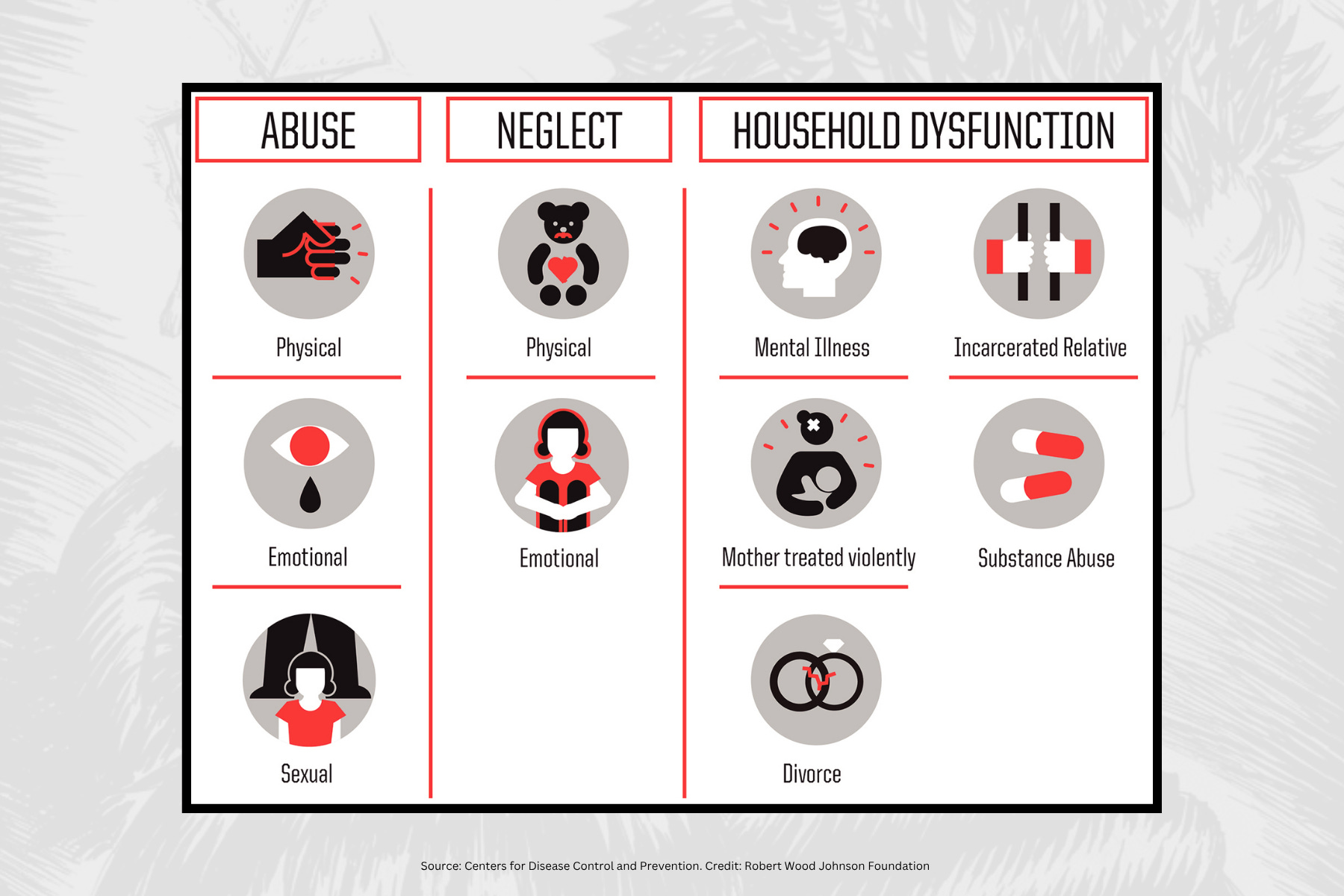
In the mental health field, we often talk about Adverse Childhood Experiences, or ACEs (Toxic Stress). ACEs are potentially traumatic events that occur in childhood. They can include abuse, neglect, and household challenges such as mental illness, substance use, divorce, incarceration, or violence in the home.
The original ACE study, conducted by the CDC and Kaiser Permanente, surveyed over 17,000 adults. One of the major findings was that childhood adversity is common. Many adults report at least one ACE, and some report multiple.
An ACE score is not a life sentence. It does not tell the full story of a person’s strength, support, culture, community, faith, healing, or resilience. But it does help us understand how early experiences can increase risk for later mental health challenges, relationship struggles, substance use, chronic stress, and physical health concerns.
Trauma Impacts Goals
One of the most powerful ways trauma shows up in anime is through goals.
A character may say they want revenge. They may say they want power. They may say they want freedom, control, recognition, safety, or to never feel helpless again.
But sometimes the goal is not just a dream.
Sometimes the goal is a trauma response.
Denji from Chainsaw Man is one of the clearest examples of how trauma impacts goals. His dreams are painfully simple because his early life was shaped by deprivation, debt, neglect, and survival. For some people, his goals may seem immature or shallow at first glance. But when you understand what he has been denied, those goals make more sense.
When basic needs have not been met, basic needs become the dream.
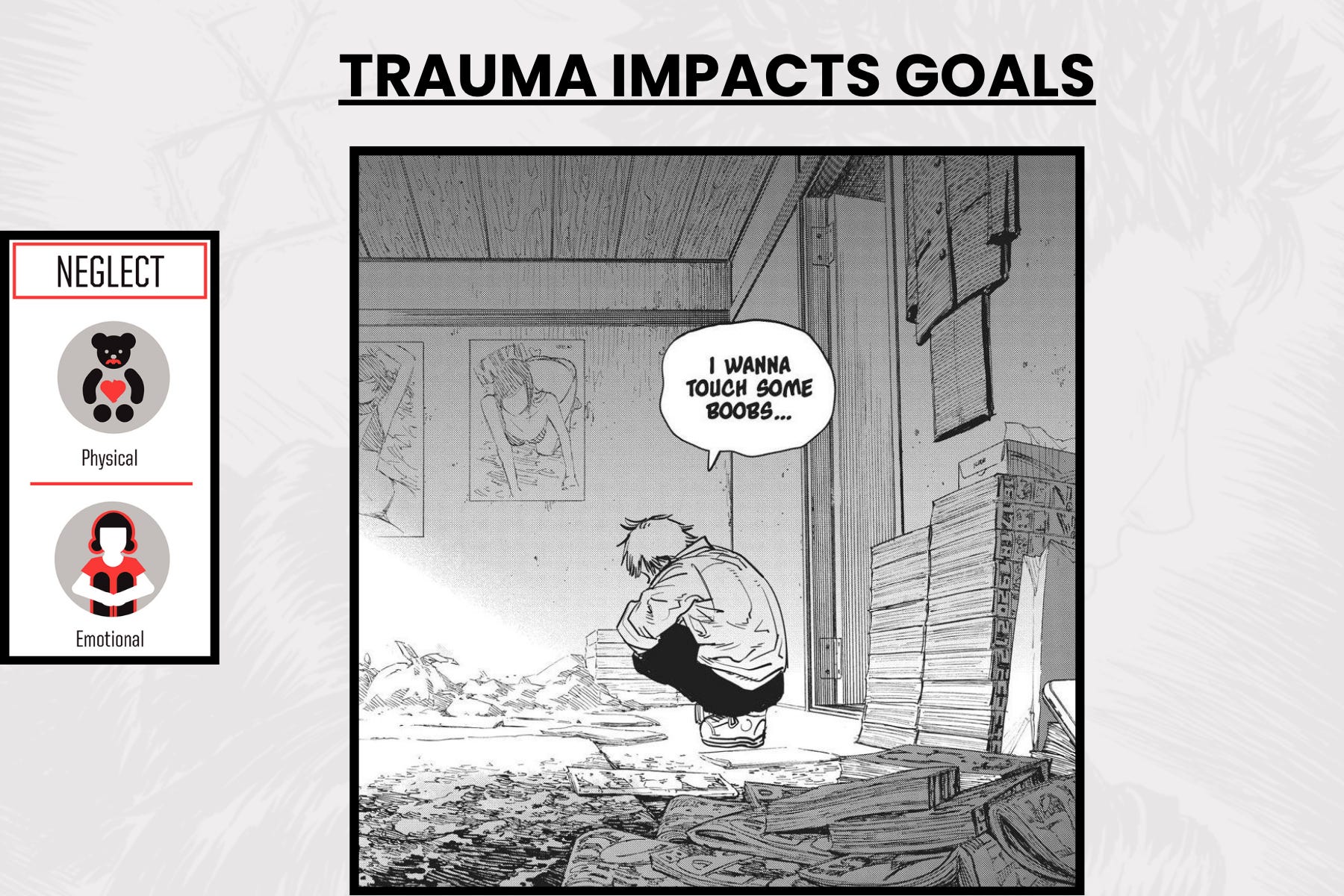
Food. Touch. Shelter. Safety. Affection. A normal life.
In PART TWO we will talk about the Maslow’s Hierarchy of Needs. It fits well as trauma can trap someone at the level of survival.
Trauma Impacts Identity
Trauma also impacts identity.
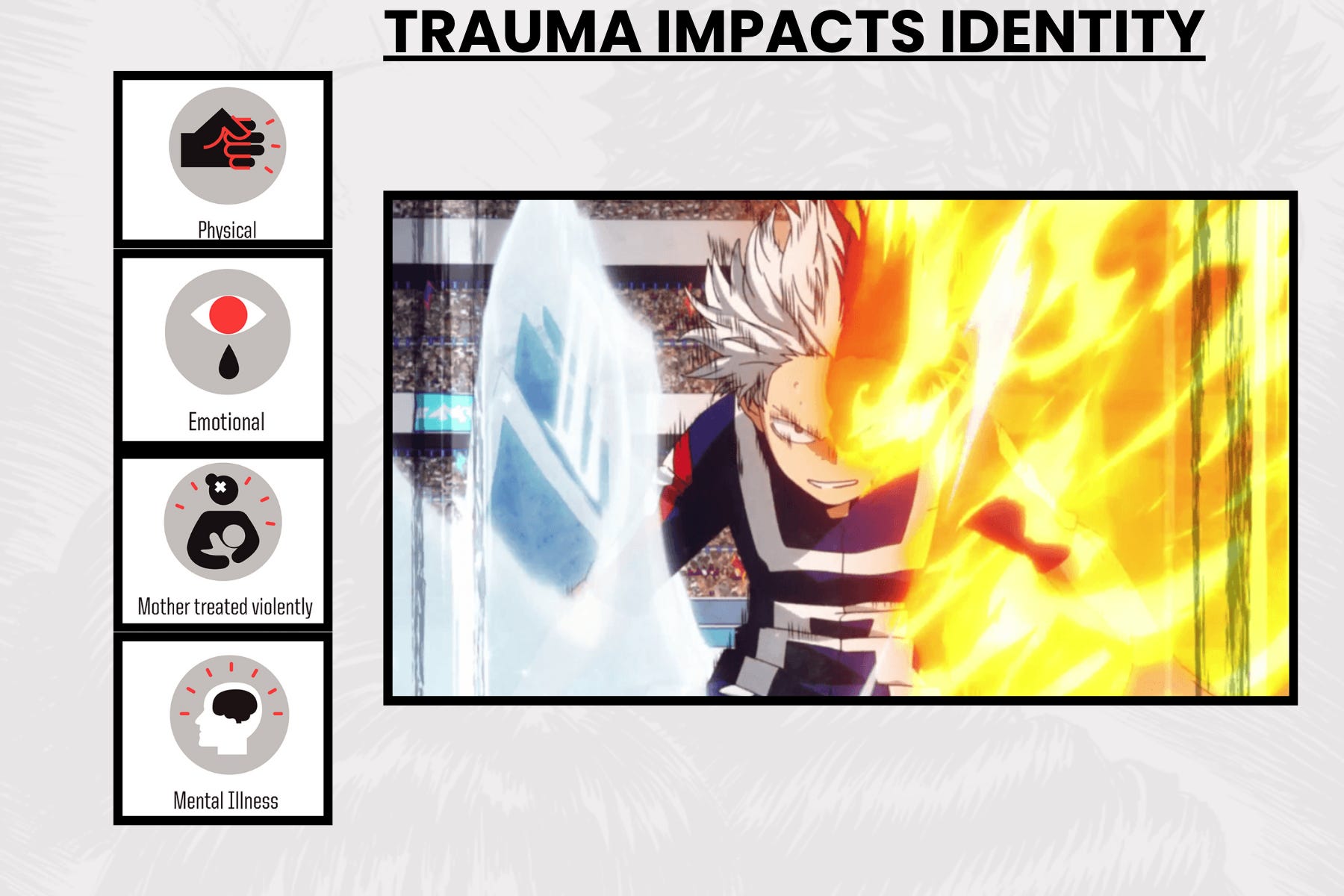
Shoto Todoroki from My Hero Academia gives us one of the most direct anime examples of this. He refused half of his own power because it came from his father. He rejected part of himself to reject the man who made him.
Many people understand that in real life. Sometimes people reject parts of themselves because those parts are connected to someone who harmed them, controlled them, neglected them, or made them feel unsafe. A person may reject their voice, body, talent, culture, emotions, softness, anger, ambition, or vulnerability because those things feel tied to an old wound.
Todoroki’s story resonates because healing does not simply mean becoming stronger. It means learning how to reclaim parts of yourself that trauma made complicated.
That is one of anime’s dark lessons:
Sometimes the thing you are trying to cut off is still part of you.
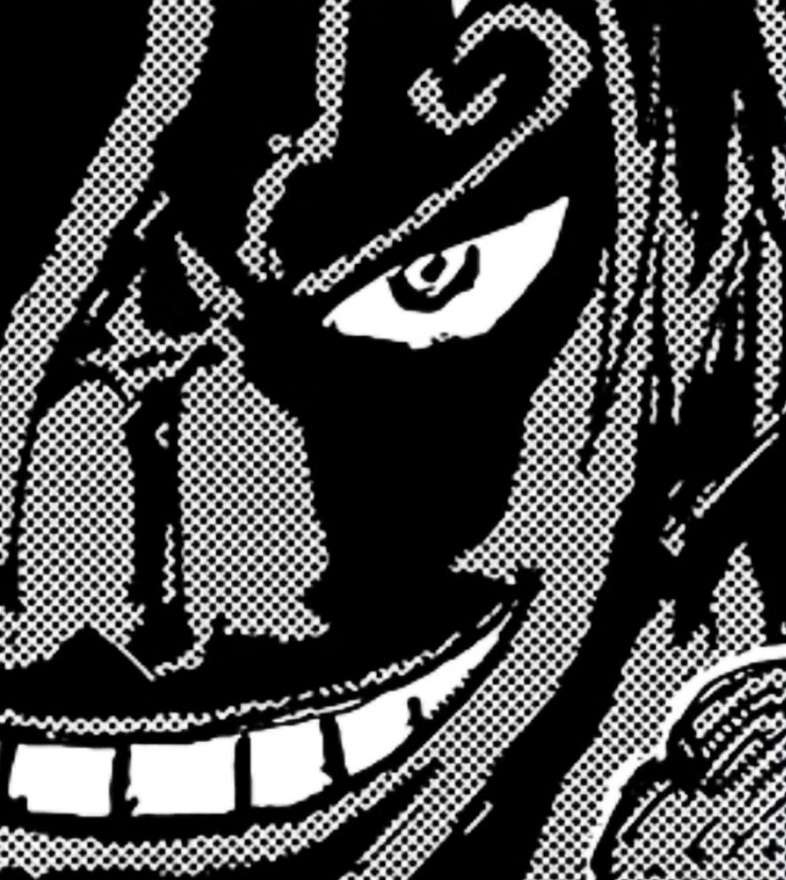
And healing may require learning how to hold it differently (We are looking at you Sanji)
Trauma-Informed Care
Trauma-informed care asks us to realize the widespread impact of trauma and understand paths for recovery. It asks us to integrate knowledge about trauma into policies, procedures, and practices. It also asks us to actively avoid re-traumatization.
Not because every anime character needs to be diagnosed. Not because every dark story needs to become therapy. But because anime gives us powerful language for pain, survival, cycles, identity, and healing.
This is why some stories and characters stick with us.
Final Thoughts
Which character’s journey through trauma and survival has inspired you the most, and why?